
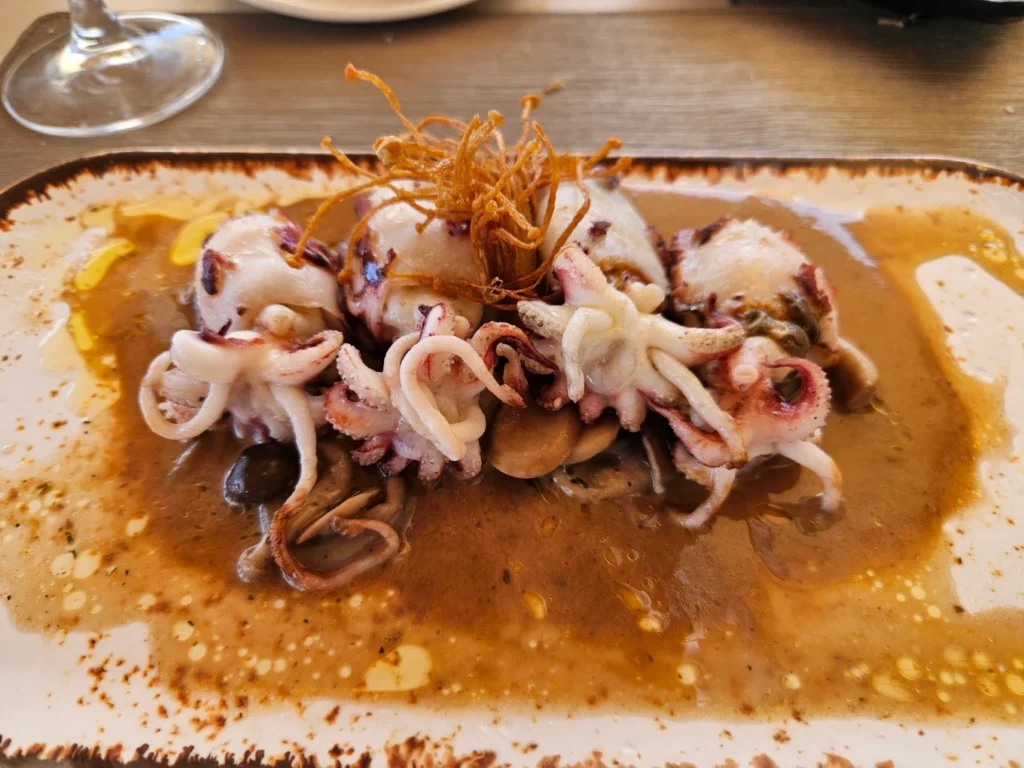
Grilled baby squid stand out for their flavor and the many culinary possibilities they offer. Read on to find out how to make them tender, which side dishes and sauces to choose, and other ways to prepare them in rice dishes and fideuà.
Among the seafood that forms part of Spanish cuisine, few require such a simple preparation to become a dish bursting with flavor. Baby squid are a good example. Their size, texture, and versatility allow them to be prepared in many ways, although cooking them directly on a very hot surface is one of the most popular options.
Achieving a good result, however, requires paying attention to several details. Cleaning, pre-drying, temperature, and cooking time all directly affect the final texture. A few extra minutes can make the difference between a tender piece and one that’s too tough.
In this article, we’ll explore exactly what baby squid are and how they differ from regular squid, as well as explain the key tips for cooking them properly. We’ll also review different side dishes and accompaniments, as well as other recipes in which this ingredient takes center stage.
What Are Baby Squid?
Baby squid belong to the cephalopod group and have an elongated body (or mantle), fins, eight arms, and two longer tentacles. Many of these parts are used in cooking, which explains the variety of dishes in which they can be found.
The mantle contains much of the meat and can be cooked whole or cut into pieces, depending on its size and the dish. The tentacles are also eaten and add a different texture to the same dish. In addition, the ink has an important culinary use and is used in sauces, rice dishes, fideuà, and other seafood recipes.
Baby Squid and Squid: Is There a Difference?
Baby squid and squid are not two different species. The term “baby squid” is used to refer to small squid, so the difference between the two names is mainly due to the size of the squid and its culinary designation. This smaller size also affects how they are prepared: baby squid can be easily cooked whole and work especially well in quick cooking methods such as grilling or frying.
There is no official standard establishing the maximum size at which a squid should be called a “chipirón.” Furthermore, the use of this term may vary depending on the region and commercial context. In practice, therefore, when we refer to “chipirones,” we are referring to small squid and not to a different variety or species of squid.
How Can You Tell If Baby Squid Are Fresh?
Appearance offers several clues. Look for specimens with a shiny, moist surface, firm flesh, and eyes that remain bright and defined. Smell is also crucial: it should smell like the sea and be mild, never strong or unpleasant.
In addition, it is advisable to check that the meat has a good texture and that its overall appearance shows no obvious signs of spoilage. Once selected, they can be used in a wide variety of dishes: grilled, fried, stewed, stuffed, in rice dishes, or in fideuà. The choice will depend mainly on the size of the pieces and the desired result.
How to Make Tender and Flavorful Grilled Baby Squid
Grilling baby squid is not very difficult, but it requires careful control of humidity and temperature. Before you begin, clean them by removing the internal quill, the innards, the eyes, and the beak located between the tentacles. The outer skin is edible, so whether you remove it or leave it on depends on the recipe and your personal preference.
Once they’re clean, be sure to dry them thoroughly with paper towels. This step is important. If they’re wet when you put them in the pan, the water will lower the surface temperature and cause them to cook rather than brown.
High Temperature and Short Cooking Time
The griddle or skillet should be very hot before adding the baby squid. It’s also a good idea to cook them in small batches, leaving space between the pieces. Overcrowding the surface causes the temperature to drop and makes it harder for the liquid they release to evaporate quickly.
Baby squid need to be cooked briefly over high heat. Depending on their size, it only takes a few minutes for them to change appearance and develop a light golden color on the outside. Leaving them in this stage for too long can toughen the meat and produce the characteristic chewy texture that you’re trying to avoid.
In addition, there’s no need to keep moving them around. Letting them sit for a few moments in contact with the hot surface helps them brown before you flip them. The tentacles can be cooked alongside the body, although because they’re thinner, you’ll need to pay special attention to how they’re cooking.
When Should You Add the Garlic, Parsley, and Oil?
A classic combination is to serve them with olive oil, garlic, and parsley. A practical option is to prepare a paste or dressing with these ingredients in advance and add it toward the end of the cooking process. This reduces the risk of the garlic burning while the griddle reaches a high temperature.
Salt can be added at the end or just before serving. You can also finish the dish with a few drops of lemon juice, though it’s best to use it sparingly so the acidity doesn’t overpower the flavor of the baby squid. Serving them fresh off the grill completes the process: as they cool, they lose some of the texture and appeal that comes from being cooked directly on the grill.
What Should You Serve with Grilled Baby Squid?
Grilled baby squid can be served with a wide variety of accompaniments, although they pair especially well with sides that don’t overpower their flavor. The choice also depends on how they’ll be served. If they’re part of a snack platter, a sauce or a light salad may be enough; to turn them into a more complete meal, potatoes and vegetables offer more options.
Side Dishes for Grilled Baby Squid
Potatoes are one of the simplest side dishes. They can be served fried, roasted, or boiled and dressed with olive oil and herbs. A tomato salad, on the other hand, adds freshness and a touch of acidity, while grilled vegetables help keep the dish centered on simple flavors. Zucchini, eggplant, bell peppers, and asparagus are some options.
You can also serve them with white rice, especially when the dish includes a sauce that can be mixed with it. Another option is to serve them with bread, which is particularly appropriate if the baby squid retain their cooking juices or are dressed with a mixture of oil, garlic, and parsley.
Sauces and Other Side Dishes
Aioli pairs well with fish and cephalopods, although its strong flavor means it’s best served in moderation or on the side. Lemon offers a much lighter alternative. Its acidity provides contrast, but a few drops are usually enough so as not to overpower the dish’s flavor.
Squid ink itself can be used to create side dishes with a completely different profile. The ink can be incorporated into sauces and seafood dishes, adding its characteristic dark color and intense flavor. In fact, its uses go far beyond simply serving it alongside baby squid: it’s a common ingredient in rice dishes and other dishes featuring cephalopods.
If baby squid are served as an appetizer, they can be served before a rice dish, a fideuà, or a fish dish. In a meal meant to be shared, they also pair well with other seafood, vegetables, and tapas. Thus, this side dish can be adapted to either a simple serving or a more extensive meal without detracting from the main ingredient.
Other Ways to Enjoy Baby Squid
Grilling is a simple way to enjoy baby squid, but this cephalopod offers many more possibilities in the kitchen. Its meat, tentacles, and even its ink can be used to create dishes with different flavors and textures. The menu at Restaurant Estanyó showcases some of these combinations and demonstrates how a single ingredient can take center stage in very different dishes.
From Grilled Dishes to Rice Dishes and Fideuàs
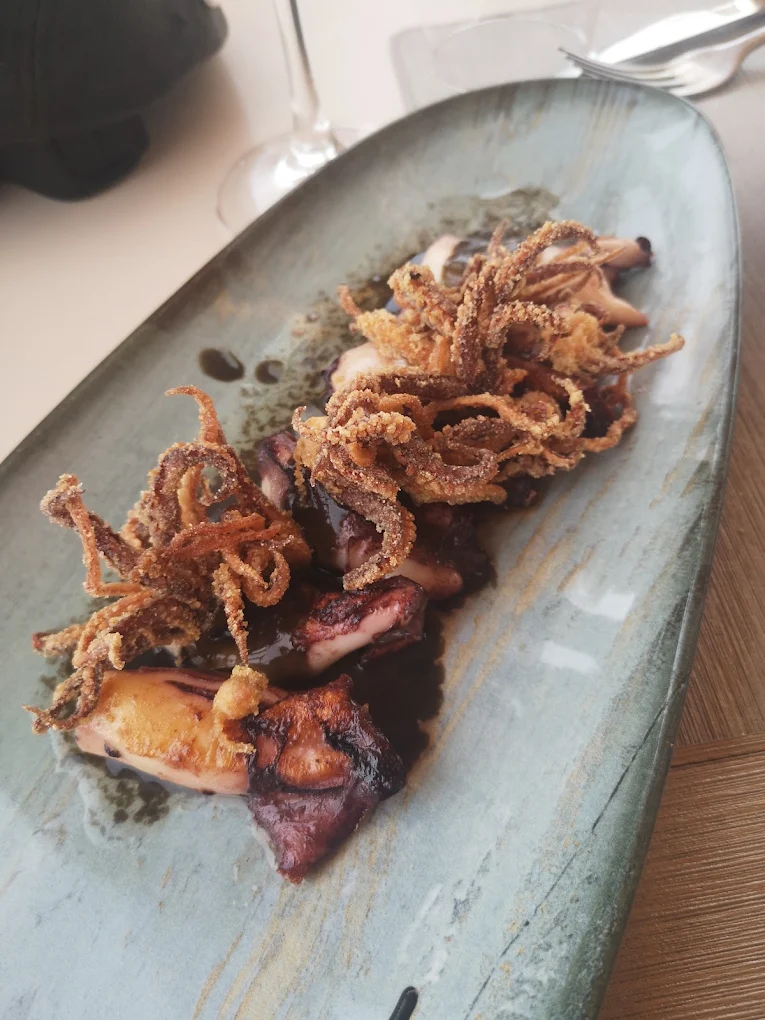
In Estanyó, grilled baby squid are served with their fried tentacles and an “American” sauce made with their ink. In this case, the body and the tentacles are prepared differently: grilling and frying allow for a combination of two textures on the same plate, while the sauce incorporates the ink as part of the preparation.
Baby squid also appears in several fideuàs on the menu. One of them combines baby squid and shrimp, while another features octopus, baby squid, and wakame seaweed. Added to these options is the black fideuà with baby squid and peeled shrimp, where the ingredients come together in a dish with a distinct seafood flavor.
Proposals That Combine Tradition and Innovation
The combinations don’t end there. Restaurant Estanyó offers a fideuà with baby squid, cuttlefish and shrimp meatballs—a dish that brings together various seafood ingredients and features cuttlefish in the form of meatballs. In the rice dishes section, baby squid is combined with fava beans and artichokes in a paella. Because not all paellas have to be seafood-based.
These recipes show that baby squid doesn’t have to be limited to a single serving or an appetizer. They can become one of the main ingredients in rice dishes and fideuà and be combined with shrimp, octopus, cuttlefish, vegetables, or seaweed. In this way, each dish allows you to discover a different facet of a product that lends itself to numerous uses in seafood cuisine.
Enjoy Mediterranean Cuisine at Restaurant Estanyó
If, after discovering all the ways to enjoy baby squid, you’d like to savor them right by the Mediterranean, Restaurant Estanyó welcomes you on the beachfront in Les Marines de Denia. Since 1996, this family-run restaurant has offered a menu closely tied to seafood and Mediterranean cuisine, with Mari at the helm of the kitchen and José managing the dining room.
Under the “Sabors de la Marina” concept, the menu features flavors and products characteristic of the region. Rice dishes, fideuà, tapas, and seafood are served alongside fresh fish from the Denia fish market. These are complemented by dishes that draw on tradition while incorporating unique combinations, always with the Mediterranean as their inspiration.
In addition, its location allows you to round out the experience with one of Estanyó’s greatest attractions: dining by the sea. The restaurant is located at 6 Lago de Sanabria, on the Carretera de les Marines, km 6.5, in a setting closely tied to Denia’s coastal landscape.
Has that whetted your appetite? Take a look at the menu at Restaurant Estanyó, choose the dishes that sound best to you, and reserve your table online to enjoy the flavors of La Marina right by the Mediterranean.