
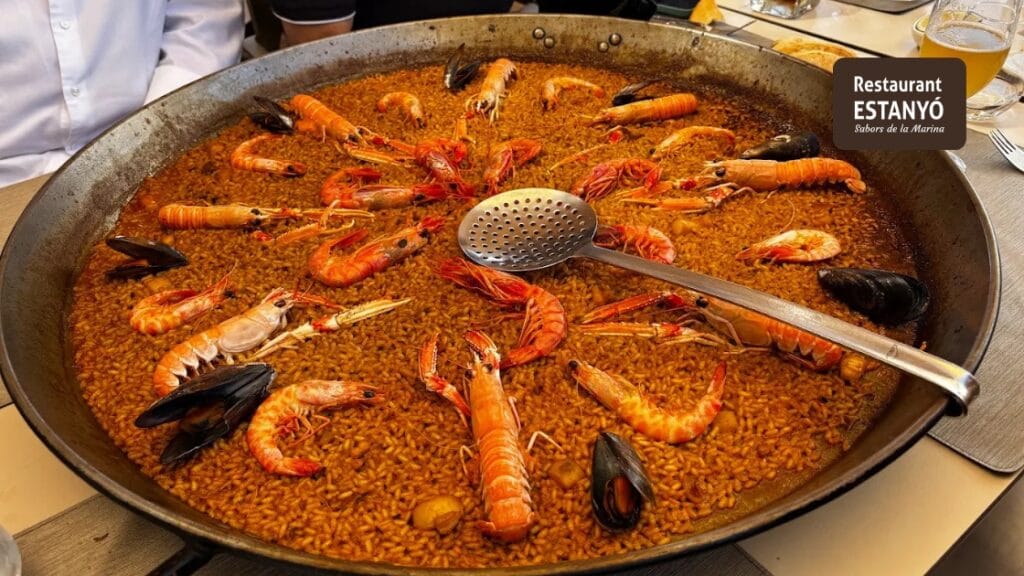
Seafood paella combines rice and seafood in one of the most well-known dishes of Mediterranean cuisine. Discover its main ingredients, what makes for good rice, and the keys to preparing it to achieve the perfect texture.
There are dishes that encapsulate much of a place’s culinary identity, and rice dishes hold a special place in Mediterranean cuisine. The combination of seafood, a good broth, and rice cooked to perfection creates dishes bursting with flavor, particularly those associated with towns along the Valencian coast.
Seafood paella is one of the best examples. Shrimp, langoustines, mussels, squid, and other seafood can all be part of a dish in which each ingredient adds its own unique flavor. However, achieving a good result doesn’t depend solely on the quality of the seafood. The type of rice, the intensity of the broth, the sofrito, controlling the heat, and cooking times are also essential.
In this article, we’ll learn more about its ingredients and the secrets to preparing it. We’ll also explore Denia’s rice-cooking tradition to discover where to enjoy a paella overlooking the Mediterranean and what other options rice lovers can find.
What Makes a Good Seafood Paella?
A good seafood paella requires a balance between the rice, the broth, and the seafood. It’s not enough to simply add a large amount of seafood. The goal is for the rice grains to absorb the flavors as they cook and maintain a firm texture, without becoming hard or overly soft.
Rice and Its Cooking Point
The short-grain rice varieties commonly used in Valencian rice dishes absorb broth well. These include varieties such as bomba, senia, and albufera, each with different characteristics during cooking. Choosing the right rice helps the flavors of the sofrito and the broth penetrate the grain.
How you cook it also matters. Once spread out in the paella pan, it’s best to keep the layer relatively thin and even. This promotes more even cooking and allows more of the rice to come into contact with the pan. Unlike risotto, the rice in a paella is not stirred continuously while cooking.
A Delicious Dish with a Taste of the Sea
The broth directly influences the final result. A stock made from fish and edible parts of certain shellfish adds depth of flavor even before the ingredients that will ultimately appear on the plate are added. This allows the rice to absorb the flavor of the sea without relying solely on the ingredients placed on top of it.
The sofrito also helps create that base. Ingredients like tomatoes and olive oil help build a deeper flavor. However, no single element should completely dominate: the broth, the sofrito, and the seafood must complement each other.
Socarrat, One of the Most Beloved Snacks
In the final minutes, the ” socarrat” may form—the thin layer of toasted rice that sticks to the bottom of the paella pan. This occurs when the broth has almost completely evaporated and the rice at the bottom continues to be heated.
To achieve this, you need to control the heat carefully. The goal is to caramelize and lightly toast the bottom layer, not to burn it. A well-done socarrat adds a crunchy texture and a more intense flavor that contrasts with the rest of the rice.
The Most Common Ingredients
There is no single combination of ingredients for making seafood paella. The choice may vary depending on the recipe, the availability of ingredients, or the cook’s preferences. Even so, the result depends on the rice, the sofrito, the broth, and the seafood coming together in a balanced dish.
Seafood and Mollusks
Shrimp, prawns, and langoustines are some of the crustaceans that may be included in this type of paella. Along with them, it’s common to find mollusks such as mussels and cephalopods such as squid or cuttlefish. Each ingredient has a different texture and cooking time, so it’s not always best to add them all at the same time.
Crustaceans add flavor and aroma, while squid or cuttlefish can be incorporated during earlier stages of preparation. In the case of mussels, you can also use the liquid they release when they open, provided it is properly strained to remove any impurities. In addition, controlling the cooking time is essential: cooking certain shellfish for too long can make their meat tough.
Rice, Sofrito, and Broth
Rice serves as the central element of the dish because it absorbs much of the flavor that develops during cooking. To complement it, the sofrito creates an initial aromatic base. Tomatoes, garlic, and olive oil are common ingredients, although recipes may vary.
Fish and shellfish broth is particularly important. It can be made using fish suitable for stock—such as bones and heads—as well as parts of shellfish. Controlled cooking allows you to extract flavor without needing to use an overly concentrated broth. The amount used should also be adjusted according to the type of rice and the cooking vessel.
The Mediterranean Product
In coastal towns like Denia, rice dishes are an integral part of a cuisine closely tied to Mediterranean ingredients. Fish, cephalopods, and crustaceans feature in both dry rice dishes and creamy rice dishes, as well as in fideuà.
The quality of the ingredients is especially important in relatively simple dishes. When the number of ingredients is limited, the flavor and texture of each one become more noticeable. That’s why choosing the right ingredients and respecting their characteristics during cooking can make a noticeable difference in a seafood paella.
Step-by-Step Guide to Making Paella
Preparing a seafood paella requires careful coordination of each step, since the rice and the various seafood ingredients do not all require the same cooking times. Therefore, before turning on the heat, it’s a good idea to clean and prepare the seafood, have the broth ready, and measure out the rice. This organization helps avoid having to improvise once cooking begins.
Prepare the Sofrito and the Base
The process usually begins with olive oil and the ingredients that will make up the sofrito. Squid or cuttlefish can be cooked at this stage to add flavor to the base. Next , the tomatoes are added , and, depending on the recipe, other ingredients such as garlic.
The broth should be prepared in advance. Using it hot helps ensure more consistent cooking when it is added to the paella. Additionally, its intensity must be carefully measured, because the liquid will reduce and the flavor will become more concentrated.
Add the Rice and Monitor the Cooking Process
Once the rice has been added, spread it evenly over the entire surface. The amount of broth needed depends on factors such as the type of rice, the diameter of the paella pan, and the heat level, so there is no single ratio that applies to every recipe.
During the first few minutes, a higher heat is usually used, which is then reduced to finish cooking. From this point on, the rice should not be stirred as you would with a risotto. This allows it to retain its texture and lets the characteristic toasted layer form at the bottom.
Add the Seafood and Finish the Paella
The timing for adding each ingredient depends on its size and how long it takes to cook. Shrimp, langoustines, and prawns require special attention to prevent prolonged exposure to heat from drying them out. Mussels, on the other hand, should open during cooking; any that remain closed after cooking should be discarded.
When the rice is almost done and there is very little liquid left, you can briefly increase the heat to help form the socarrat. Do this carefully. After removing the paella from the heat, let it rest briefly to allow the rice to settle before serving.
Some of the most common mistakes include adding too much broth, losing control of the heat, overcooking the seafood, or constantly stirring the rice in an attempt to correct it. A good paella depends, above all, on controlling the timing, temperature, and proportions.
Try the Seafood Paella and Other Rice Dishes at Restaurant Estanyó
Enjoying a delicious rice dish by the Mediterranean is part of the experience at Restaurant Estanyó. Located right on the beach in Les Marines de Denia, this family-run restaurant has been serving cuisine rooted in seafood traditions and local ingredients since 1996. Mari runs the kitchen and José manages the dining room, maintaining the family-friendly atmosphere with which the restaurant began.
Sabors de la Marina: Mediterranean Cuisine in Denia
Estanyó’s philosophy is encapsulated in “Sabors de la Marina,” an approach to cuisine that seeks to revive the flavors of Denia and the Marina Alta, respecting the essence of each ingredient and combining traditional cuisine with new culinary creations.
Its menu reflects this connection to the local environment. In addition to rice dishes and paellas, the menu features tapas, seafood, fideuà, and fresh fish from the Denia fish market. Among its most representative dishes are items such as Denia’s red shrimp, dried octopus, and grilled baby squid.
A Wide Variety of Paellas and Rice Dishes
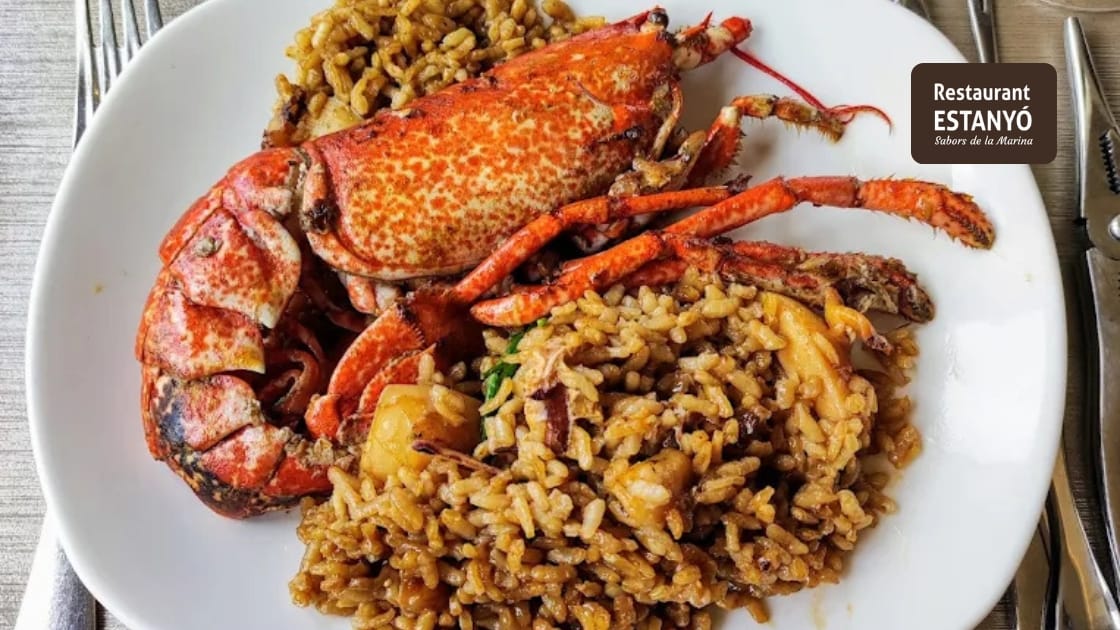
Seafood paella stands out on a rice dish menu that offers numerous options. Among the best-known choices arearroz a banda, arroz del senyoret, black rice, and lobster paella.
Estanyó also offers a variety of combinations, such as paellas with cod, spinach, and cauliflower; baby squid, fava beans, and artichokes; sea bass, caramelized onions, and eggplant; or monkfish, porcini mushrooms, and langoustines. In addition, there is a vegetarian option.
Those who prefer a creamier texture can choose from a variety of creamy rice dishes. The menu features dishes with lobster; monkfish, clams, and mushrooms; monkfish, langoustines, and porcini mushrooms; carabineros shrimp; or scallops, clams, seaweed, and marine plankton. This allows diners to choose from everything ranging from traditional rice dishes to less common combinations.
Order Your Paella
Paellas at Restaurant Estanyó require a reservation in advance, which is an important detail to keep in mind when planning your visit. The restaurant allows you to reserve a table online and view the menu beforehand. This way, you can plan a meal overlooking the Mediterranean and try the seafood paella or any of their other rice dishes right on the beachfront at Les Marines.
Enjoy a Unique Experience Right on the Waterfront
A seafood paella is even more enjoyable when the setting is just right. At Restaurant Estanyó, you can savor it right on the beachfront at Les Marines in Denia, with the Mediterranean just a few steps away and a menu where rice dishes take center stage.
Would you like some seafood paella, or would you rather try other combinations? Traditional rice dishes, seafood specialties, and sweet treats let you choose according to your tastes and turn a meal by the sea into an opportunity to discover the Sabors de la Marina.
Choose who you want to share your table with and let Estanyó take care of the rest. Check out the menu, find the rice dish that appeals to you most, and make your reservation to enjoy Mediterranean cuisine right by the sea. Remember that paellas require advance reservations, so order yours ahead of time and come ready to enjoy. The Mediterranean provides the views; Estanyó, the flavor.