
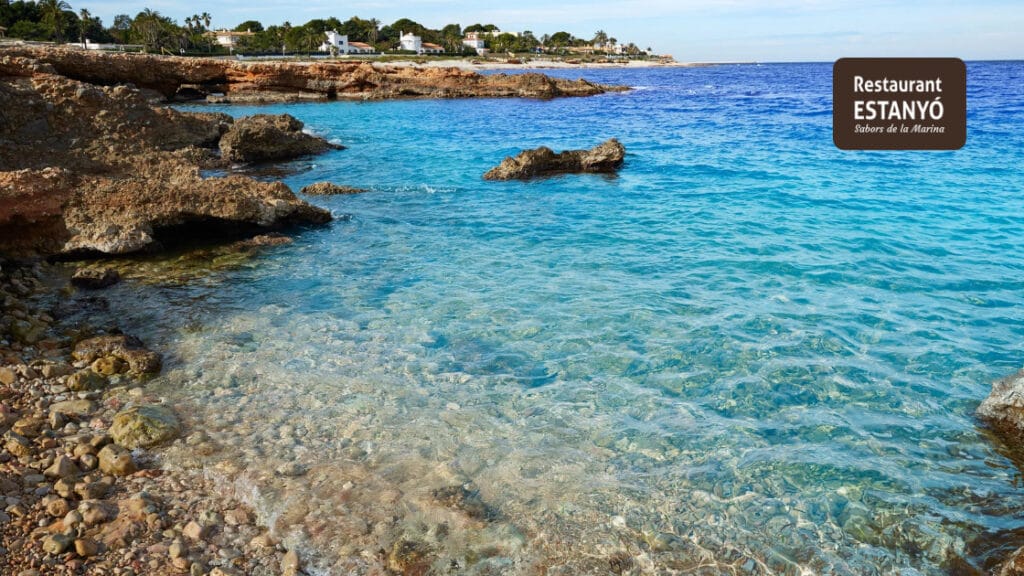
If you’re planning a trip and want to know what to see in Denia, you’ll find plenty of places worth visiting here. From its castle and historic neighborhoods to the beaches of Les Marines, the coves of Les Rotes, Mount Montgó, and its Mediterranean cuisine.
Located on the Costa Blanca, in the northern part of the province of Alicante, Denia is a Mediterranean city that combines historical heritage, beaches, nature, and a cuisine closely tied to the sea. Its location, between the Montgó Natural Park and the Mediterranean Sea, allows visitors to enjoy a wide variety of landscapes without having to travel far.
One of its main attractions is the enormous variety of places it offers visitors. You can stroll through the streets of its historic district, visit the castle that overlooks the city, take a walk along the harbor, or explore its long sandy beaches and rocky coves. In addition, the surrounding area features natural landscapes that are ideal for hiking and taking in the coastal scenery.
Cuisine also plays a prominent role in Denia’s identity; the city has been recognized by UNESCO as a Creative City of Gastronomy. Its rice dishes, fresh seafood, and Mediterranean produce are all part of a culinary tradition well worth exploring. Would you like to learn more? Below, we’ll highlight some of the places and experiences you shouldn’t miss during a visit to this town in Alicante.
What to See in Denia’s Historic Center
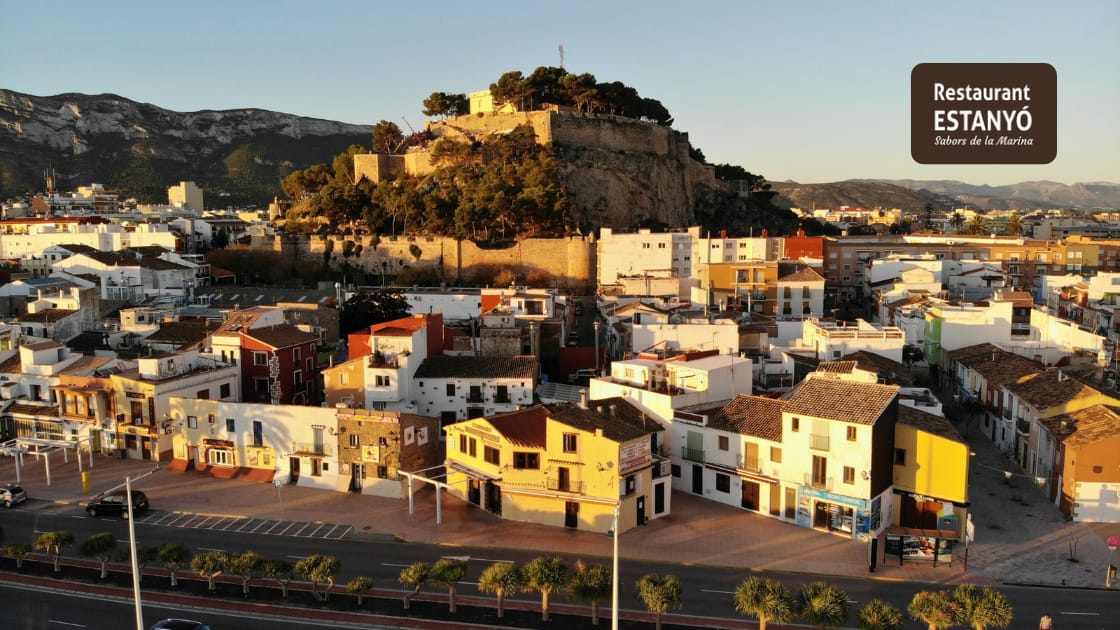
Denia’s historic center is home to much of the city’s cultural heritage. Its streets offer a glimpse into different periods of its past, from the Roman and Muslim eras to its commercial and maritime development. The castle, the old neighborhoods, and the squares in the historic center form a route you can explore on foot, with several stops of historical and architectural interest.
Denia Castle and Its Historical Heritage
We’ll start with Denia Castle, one of the city’s most iconic landmarks. It stands on a rocky outcrop overlooking the city center and the port. Its origins as a fortress date back to the 10th and 11th centuries, during the Islamic period, although it still features structures and modifications from later periods.
During your visit, you can walk along the city walls, admire the ancient defensive towers, and enjoy panoramic views of the Mediterranean and Mount Montgó. The complex also includes the Palau del Governador, which houses the Denia Interpretation Center. The Denia Archaeological Museum is located at 3 Cavallers Street, within the historic center.
Baix la Mar, the Old Seafaring Neighborhood
Just a few minutes from the castle lies Baix la Mar, a neighborhood that retains traces of Denia’s fishing tradition. For centuries, its residents maintained a close connection to the port and maritime activities—a bond that is still evident in the layout of its streets.
Its colorful facades, low-rise houses, and small squares offer an atmosphere quite different from that of the main shopping avenues. The Plaza de Sant Antoni is one of its best-known spots and features restaurants and outdoor seating areas. A stroll through this neighborhood offers a glimpse of a more traditional side of Denia.
Marqués de Campo Street and the City Center
Marqués de Campo Street is one of Denia’s main commercial and social hubs. It connects the harbor area with the city center and is home to shops, cafés, and buildings of architectural interest. Among them is the former Hotel El Comercio, a historic building located at number 17.
From this street , you can walk to Plaza de la Constitución, where you’ll find City Hall and the Church of Nuestra Señora de la Asunción, built in the 18th century. Also worth a visit is Loreto Street, a pedestrian street known for its restaurants and culinary scene.
The Port of Denia and the Cervantes Esplanade
The port has played a key role in Denia’s economic and commercial development. Today, it combines fishing activities with maritime transport to the Balearic Islands and recreational boating facilities. Next to the fishing pier is the Maritime Museum, housed in the old fish market and dedicated to the city’s maritime history.
To wrap up the tour, you can take a stroll along the Explanada Cervantes, a palm-lined avenue that commemorates Miguel de Cervantes’ arrival in Denia in 1580, following his captivity in Algiers. There, you’ll find a monument dedicated to the writer and can observe the usual hustle and bustle of the Port of Denia.
Beaches and Coves for Every Taste
Denia’s coastline stretches over 20 kilometers and features two distinctly different areas. To the north lie the sandy beaches of Les Marines, while to the south, the rocky coves of Les Rotes predominate. This variety offers a choice between spacious family-friendly beaches, areas for water sports, and natural spots where you can enjoy the Mediterranean.
Les Marines and Les Bovetes: Wide Sandy Beaches
Les Marines Beach is located about 2.5 kilometers from downtown and features nearly three kilometers of fine sand. Its size makes it easy to find a spot to relax, stroll along the shore, or enjoy a day out with the family. During the swimming season, it offers services such as lifeguards, walkways, foot showers, and accessible areas.
Located a bit further from the center, Les Bovetes begins approximately 3.5 kilometers from the town center and stretches for 1.5 kilometers. It stands out for its size, its sand, and its amenities. In addition, it was awarded the Blue Flag in 2026 and features facilities to facilitate access and swimming for people with limited mobility.
La Marineta Cassiana: A Beach Near Downtown
Located south of the harbor, Marineta Cassiana is one of the beaches closest to downtown Denia. It is approximately 1.2 kilometers long and is known for its generally calm waters and its boardwalk, which allows visitors to stroll along the water. It’s an ideal place to visit and enjoy with the family in Denia.
It is the only sandy beach in the Les Rotes area and is part of the protected area of the Cabo de San Antonio Seabed Nature Reserve. Its Posidonia oceanica seagrass beds help maintain marine biodiversity and protect the coastline from erosion.
The Coves of Les Rotes: Rocks and the Seabed
Beyond Marineta Cassiana, the landscape gradually changes. The sandy beaches give way to the rocky coves of Les Rotes, notably El Trampolí, Punta Negra, and Arenetes. The seabed there offers good conditions for snorkeling when sea conditions permit.
These coves are part of a protected marine area, so it is important to follow the usage restrictions and avoid damaging the underwater vegetation. It is also a good idea to wear water shoes for more comfortable walking on the rocks.
If you’d rather enjoy the scenery without going for a swim, you can stroll along the Paseo de Les Rotes, which connects various points along the coast and offers views of the Mediterranean and the cliffs of Cabo de San Antonio.
Natural Sites and Special Places to See in Denia
Beyond its beaches and historic center, Denia boasts natural areas that reveal another side of the town. The Montgó Natural Park, the cliffs of Cabo de San Antonio, and the old farm trails offer options for those who enjoy hiking and Mediterranean landscapes. Some hikes require a certain level of physical fitness, while others are suitable for families.
The Montgó Natural Park and Its Hiking Trails
Montgó is one of Denia’s most iconic natural landmarks. This mountain, which rises to an elevation of 753 meters, is part of a natural park shared with Jávea and is renowned for its biodiversity, rock formations, and views of the coast.
One of the most interesting trails is the one that leads to the Cova de l’Aigua, a cave located on the northern slope of Montgó. The trail begins near the Pare Pere hermitage and offers views of Mediterranean vegetation and ancient structures related to water management. Next to the cave’s entrance, there is also a preserved Roman inscription dating from the year 238 A.D.
The loop trail, which includes the Cova de l’Aigua and the Racó del Bou, is approximately 5.4 kilometers long, takes an estimated three hours to complete, and is rated as moderately difficult. Be sure to wear hiking shoes, bring water, and use sunscreen.
La Cova Tallada, a Cave Next to the Mediterranean Sea
Located between Denia and Jávea, the Cova Tallada is a seaside cave whose current appearance is the result of a combination of natural erosion and the historical quarrying of tosca stone. This material was used for centuries in local construction projects.
The hiking trail begins at the end of Les Rotes and includes narrow, uneven, and slippery sections. This hike is not recommended for people who are afraid of heights, have limited mobility, or have little hiking experience.
In addition, during certain times of the year, it is mandatory to obtain prior authorization to enter the park, whether by land or by sea. Before planning your visit, it is advisable to check the current restrictions on the Montgó Natural Park website.
Cabo de San Antonio and Its Viewpoints
Another must-see is Cape San Antonio, which marks the eastern tip of Montgó and separates the coasts of Denia and Jávea. Its cliffs rise approximately 160 meters above sea level and offer views of the Mediterranean and the Marina Alta coastline.
From the end of Les Rotes, you can take a hike to the Torre del Gerro, an old 16th-century coastal watchtower. Its elevated position offers views of the cliffs and much of the coastline. The trail has steep inclines, so it requires some physical effort.
The Denia Greenway: A Walk Through Farmland
For those looking for a more leisurely activity, the Denia Greenway offers a route of approximately six kilometers to the outskirts of El Verger. It follows the old railroad line that connected Denia with Carcaixent and winds through fields of orange and almond trees and other traditional crops.
Its mostly flat terrain makes it easy to explore on foot or by bike. It also features separate areas for pedestrians and cyclists, rest areas, and views of Montgó. It’s a particularly appealing option for families or visitors who prefer to enjoy nature without tackling challenging mountain trails.
Discover Their Traditional Dishes
Gastronomy is another of Denia’s major attractions and a fundamental part of its Mediterranean identity. In 2015, UNESCO added the city to its Creative Cities Network in the Gastronomy category, recognizing its culinary tradition and its work with local products. Its cuisine combines Mediterranean fish and seafood, rice dishes, and agricultural products from the Marina Alta.
Denia’s Red Shrimp, One of Its Most Iconic Products
Red shrimp are one of the most well-known products of Dianense cuisine. They are caught in the deep waters of the Mediterranean using trawl nets and are known for their reddish color, firm texture, and intense ocean flavor.
One of the most common ways to prepare it is to boil it briefly in salted water to preserve its natural qualities. It can also be served grilled. Its price varies depending on size, season, and available catch, which is why it is generally considered a particularly prized item in local restaurants.
Traditional Rice Dishes: From Arroz a Banda to Paella
Rice dishes also feature prominently on the menus of many restaurants in Denia. Among them , “arroz a banda” stands out —a recipe with seafaring roots that traditionally uses a broth made from rockfish to cook the rice. Its name refers to the custom of serving the fish separately.
Another common dish is arroz del senyoret, which includes cleaned fish and shellfish—with the shells and bones removed—to make it easier to eat. You’ll also find seafood paellas, creamy rice dishes, and dry-style rice dishes that combine ingredients from the sea and the garden.
Keep in mind that many restaurants prepare certain rice dishes only upon request or require a minimum number of diners. Checking this before you go can help you better plan your meal.
Fish, Seafood, and Other Delicacies from the Marina Alta
Denia’s cuisine is also known for its fresh seafood and simple preparations. Grilled cuttlefish, baby squid, tellina clams, and the various types of fish available at the fish market are all part of the local culinary scene, although their availability depends on the catch and the season.
Other traditional products of the Marina Alta region include savory cocas, made with a variety of ingredients, and raisins, the production of which was of great economic importance to the region during the 19th century.
Discover Denia and Enjoy Its Cuisine at Estanyó Restaurant
After visiting Denia Castle, strolling through the harbor, or spending the morning at the beach, sitting down to a meal overlooking the sea is the best way to round out the experience. The town has restaurants in the historic center, the Baix la Mar neighborhood, and various areas along its coastline.
Take Restaurante Estanyó, for example— a family-run restaurant located right on the beach in Les Marines de Denia. Since 1996, José and Mari have been sharing their passion for Mediterranean and seafood cuisine, offering a dining experience where local ingredients and warm hospitality take center stage.
On the menu, you’ll find rice dishes, fideuà, tapas, and fresh seafood from the Denia Fish Market. All of this is served in a stunning setting, with the Mediterranean as a backdrop—the perfect place to enjoy a meal with family, friends, or your partner.
They’re located at 6 Lago de Sanabria Street, at kilometer 6.5 on the Les Marines highway. Has this whetted your appetite? You can reserve a table by calling 966 474 242. At Restaurante Estanyó, you can enjoy the authentic flavors of Denia right by the sea!