
Don’t know how octopus is caught? It’s a tradition that combines knowledge of the sea, traditional techniques, and respect for the Mediterranean. Discover how it makes its way from the coast of Denia to your table and why it remains one of the stars of local cuisine.
Octopus has held a prominent place in Mediterranean cuisine for centuries. Its firm texture, intense flavor, and tremendous versatility in the kitchen have made it one of the most prized seafood items—both among fishermen and chefs. In coastal towns like Denia, where the fishing tradition is part of the local identity, octopus remains a highly prized catch and a staple in numerous dishes made with fresh ingredients.
However, before it reaches the table, the octopus travels a path that begins out at sea. Behind each octopus lies the knowledge of generations of fishermen who understand its habits, know where to find it, and use techniques that allow them to catch it while respecting the species’ natural cycles. Thanks to this work and responsible management of marine resources, today we can continue to enjoy this delicacy with full assurance of quality and sustainability.
In today’s post, you’ll discover how octopus is caught, what the most commonly used traditional fishing methods are, what role fishing bans play, and how the product makes its way from the Denia Fish Market to the kitchen. You’ll also learn about some of the most notable ways to prepare it. Let’s get started!
Traditional Methods for Catching Octopus
An Animal Seeking Shelter on the Seafloor
To understand how octopus are caught, you first need to understand their behavior. The common octopus lives on the seafloor and typically inhabits cavities between rocks, crevices, or other available shelters. There, it remains protected and emerges to feed on crustaceans, mollusks, and other animals it finds in its surroundings.
This need to hide explains how certain traditional fishing methods work. Fishermen do not always need to lure the fish with bait. With certain techniques, it is enough to provide a dark, sheltered space that the fish can recognize as a refuge.
Alcatruces or Cadufos: The Artisanal Art of the Octopus
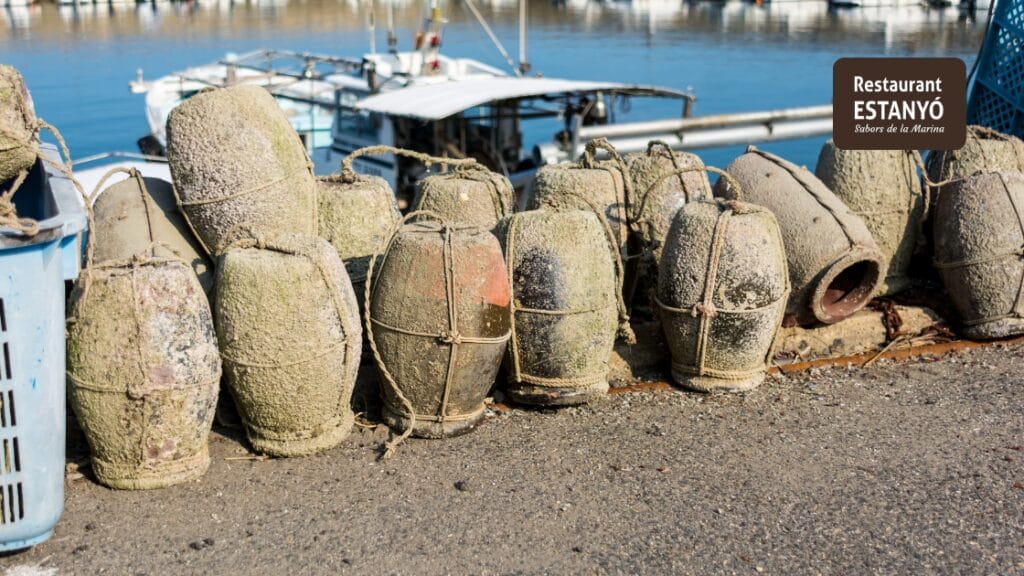
In the Valencian Community, small-scale octopus fishing is carried out using traps known as alcatruces or cadufos. Traditionally, these were made of clay, although there are also models made from other materials. Fishermen attach them to a line and place them on the seabed.
The container is left open so the octopus can enter on its own. Upon finding a sheltered space, it can settle inside just as it would in a natural cavity. The boat then retrieves the line and checks the containers one by one. This system does not use doors or mechanisms that close once the animal enters.
Commercial fishing for cormorants in the waters of the Valencian Community requires a specific permit. Only small-scale fishing vessels based in the region and duly authorized may engage in this activity.
Other Capture Methods
Octopus can also be caught using jigging rods, hook-and-line gear, gillnets, and bottom trawls, depending on the fishing method and the regulations in effect in each area. The jigging rod is operated from the boat and is designed to entice the octopus to latch onto the tackle.
However, octopus traps represent a technique closely linked to artisanal fishing in the Mediterranean. Their operation takes advantage of a natural behavior of the octopus and reflects the knowledge that small fishing boats have acquired over generations about the seabed, currents, and fishing grounds.
When Octopus Are Caught and How Fishermen Work
The Fishing Season and Closed Seasons
The common octopus can be found year-round in the Mediterranean. However, commercial fishing for octopus is subject to regulations established by each autonomous community and to closed seasons. These temporary closures are intended to protect the species’ reproduction and promote the recovery of populations before fishing resumes.
In the Valencian Community, the regional ministry responsible for fisheries publishes the regulations governing both the fishing season and closed seasons for certain types of fishing. These measures may be modified based on scientific studies and the status of the fishery. Therefore, fishermen must adapt to the regulations in effect each season.
This Is What a Day of Fishing Is Like
The day begins before dawn. After checking the condition of the boat and the fishing gear, the sailors head to the areas where they have previously set the octopus traps or where they plan to set them. Location is crucial, as octopuses tend to inhabit rocky or mixed seabeds with abundant natural hiding places.
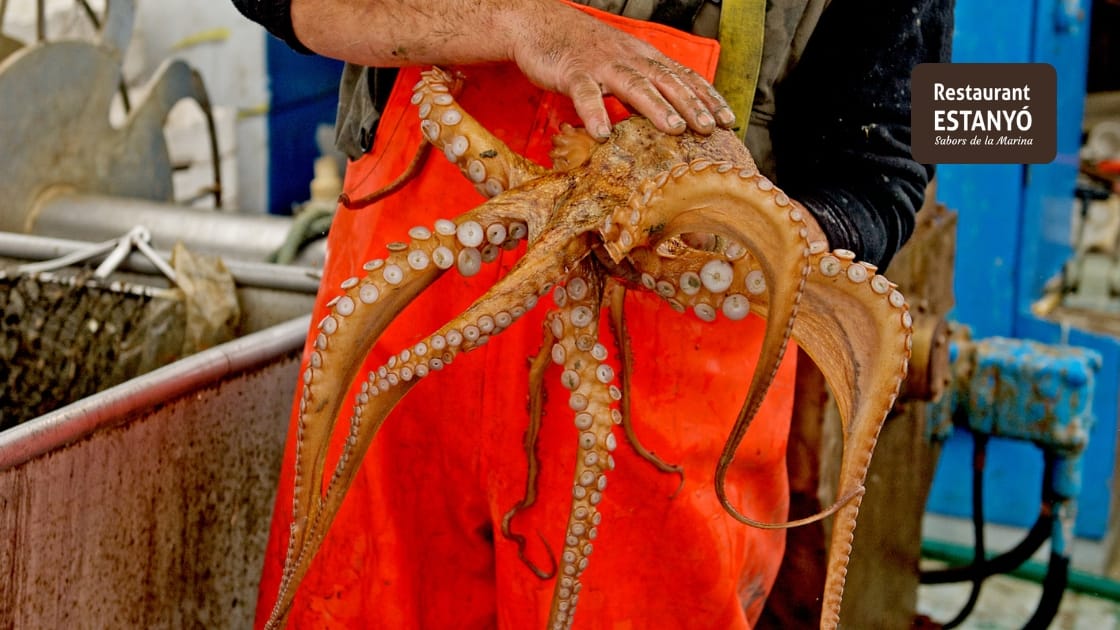
Once at the fishing site, the crew hauls in the line and inspects each trap individually. The caught fish are sorted according to current regulations, while the traps are returned to the sea to continue the fishing cycle. Once the fishing operation is complete, the vessel returns to port with the day’s catch.
The Denia Fish Market: The Link Between the Sea and the Kitchen
Upon arrival at the port, the octopus is unloaded along with the rest of the catch and taken to the Denia Fish Market. There, it is sorted according to commercial criteria such as size or weight before going up for auction. This system allows fishmongers, distributors, and restaurants to purchase fresh product caught that very same day.
For restaurants committed to locally sourced cuisine, the fish market is an essential component. It shortens the time between catch and consumption. It ensures product traceability. And it allows them to offer dishes made with fresh octopus from the Mediterranean coast whenever the season and catch allow.
Sustainable Fishing to Protect the Mediterranean
Regulations That Ensure the Conservation of Octopus
Octopus fishing in the Mediterranean is subject to specific regulations designed to ensure the conservation of the species and maintain the balance of marine ecosystems. Fisheries authorities set limits on authorized gear, the number of fishing rigs each vessel may use, and closed seasons. In addition, commercial fishing may only be conducted with the appropriate licenses and permits.
In addition to these measures, authorities conduct inspections both at sea and in ports to verify that catches comply with regulations. They also monitor the traceability of the product from the time it is unloaded until it is sold, which makes it possible to determine the origin of the octopus and ensure that it comes from legal fishing operations.
The Value of Respecting the Biological Cycle
The common octopus has a relatively short life cycle and grows rapidly, but it must reproduce to ensure the survival of the species. For this reason, closed seasons play a crucial role. During these periods, certain types of fishing are suspended to reduce pressure on breeding populations.
This responsible management benefits both the marine environment and the fishing industry itself. Maintaining healthy fish populations helps ensure stable catches in the long term. This helps preserve an industry that is an integral part of the economy and tradition of many coastal towns, including Denia.
The Importance of Choosing Local Products
Eating octopus from the Mediterranean coast offers benefits that go beyond its culinary quality. When the product arrives from the Denia Fish Market, the time between catch and preparation is usually shorter than for products transported from other markets. This speed helps preserve its texture and culinary qualities better.
Furthermore, choosing local products means supporting the work of the local fishing fleet, boosting the port’s economy, and keeping alive traditional fishing techniques that are part of Denia’s maritime heritage. Every purchase contributes, to a greater or lesser extent, to ensuring that this knowledge continues to be passed down from one generation of fishermen to the next.
From the Sea to the Table: How to Prepare Octopus
Dried Octopus: A Specialty with a Rich History
Dried octopus is part of the culinary tradition of many towns along the Mediterranean coast, especially in the province of Alicante. After being caught, the octopus is cleaned and dried in the open air, taking advantage of the sea breeze and the environmental conditions. It is then lightly grilled before being served, resulting in a firm texture and a very intense flavor that makes it one of the region’s most distinctive tapas.
At Restaurant Estanyó, this dish retains its traditional character. It’s an excellent choice for those who want to discover a recipe deeply rooted in the seafaring culture of the Alicante coast and enjoy a dish that has been part of the local cuisine for generations.
Two Very Different Ways to Enjoy Octopus
The versatility of octopus makes it possible to create recipes in completely different styles without detracting from the star of the dish. The menu at Restaurant Estanyó features dishes that honor tradition alongside others with a more creative approach.
Galician-style octopus on paprika-seasoned mashed potatoes offers a take on one of the great classics of Spanish cuisine. In contrast, the Tex-Mex-style octopus with grilled avocado, pico de gallo, and corn cream offers a more contemporary combination of flavors. The smoky note of the avocado and the freshness of the pico de gallo add new nuances without overshadowing the quality of the octopus.
It also features in one of the restaurant’s fideuàs
Octopus doesn’t stop there on the menu. It’s also a key ingredient in the delicate fideuà made with octopus, baby squid, and wakame seaweed—a dish that combines Mediterranean ingredients with a subtle nod to Asian cuisine. The result is a well-balanced dish, where each ingredient adds its own character without overshadowing the flavor of the sea.
With these dishes, Restaurant Estanyó demonstrates that a single ingredient can offer very different culinary experiences. From recipes with deep Mediterranean roots to more innovative creations, octopus remains one of the stars of a cuisine that emphasizes fresh ingredients and Denia’s culinary tradition.
Experience the Authentic Flavor of Octopus at Restaurant Estanyó
Now that you know how octopus is caught and all the work that goes into each catch, it’s much easier to appreciate this product when it arrives on your plate. The experience begins at sea, continues with the fishermen’s daily efforts, and culminates in the kitchens of those who know how to respect its flavor and quality.
That’s exactly what you’ll find at Restaurant Estanyó. Since 1996, José and Mari have turned this family-run restaurant into a go-to spot for those seeking to enjoy authentic Mediterranean cuisine in a stunning setting. Their commitment to fresh fish from the Denia Fish Market, rice dishes, fideuà, seafood, and recipes made with locally sourced ingredients allows you to discover the essence of the region’s seafood cuisine with every visit.
If you’re also a fan of octopus, you’ll find dishes to suit every taste on the menu. From traditional dried octopus to Galician-style octopus served over paprika-spiced purée, to the original Tex-Mex octopus or the delicate fideuà with octopus, baby squid, and wakame seaweed. Four different ways to enjoy one of the Mediterranean’s star ingredients.
Overlooking the Mediterranean, right on the beachfront at Les Marines, Restaurant Estanyó has been doing what it does best since 1996: cooking seafood. Here you’ll find rice dishes, fideuà, fresh fish from the Denia Fish Market, seafood, and recipes that highlight the natural flavors of the ingredients.
All in a family-friendly atmosphere where every meal makes you want to stay a little longer. If you want to discover Denia’s authentic seafood cuisine, this is the place. Reserve your table and come enjoy an experience that begins with the Mediterranean and ends with a desire to return.