
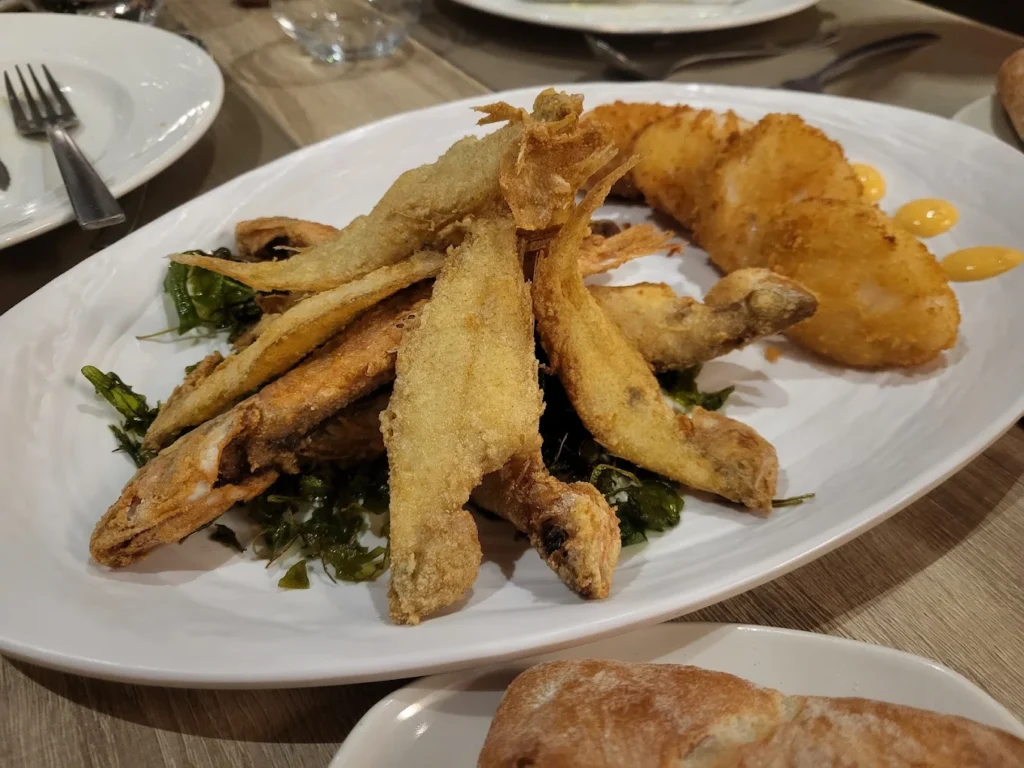
Assorted fried fish combines different species in a crispy, flavorful dish. Learn about the most common types of fish, the keys to preparing them well, the best side dishes, and their connection to Denia’s Mediterranean cuisine.
Mediterranean cuisine is known for its close connection to the sea and for a wide variety of recipes that allow you to enjoy fish in different ways. Among the most popular dishes are fried dishes, which combine intense flavors, crispy textures, and the delicacy of seafood. A simple dish, yet one full of nuances.
A mixed fish fry combines different species on a single plate, offering the chance to sample a variety of flavors and textures. Its appeal lies both in the selection of ingredients and in a cooking method that results in a golden, crispy exterior without losing the fish’s juiciness.
In coastal towns like Denia, where seafaring traditions play a prominent role in the local cuisine, this type of dish is highly prized. If you want to learn about the fish used in a fritura, the secrets to preparing it, and the best ways to serve it, don’t miss today’s post.
What Kinds of Fish Can Be Included in a Mixed Fried Fish Platter?
An assortment of fried fish does not have a fixed composition. Depending on the region and the restaurant, it may include whole small fish, fish cut into portions, and some cephalopods. The main difference between one assortment and another lies in the species selected, as each contributes its own unique flavor, texture, and characteristics.
The Most Common Fish in a Mixed Fry
Anchovies are one of the traditional ingredients in Mediterranean fried dishes. Their size allows them to be fried whole, once cleaned, and their flesh has a distinctive flavor. Small anchovies can be served with the bones, although this depends on their size and how they are prepared.
Red mullets are also commonly used in various fried fish recipes. They are distinguished by their reddish skin and flesh with a more pronounced flavor than that of many white fish. Smaller fish are particularly well-suited for frying whole, while larger ones can be prepared in other ways.
Whiting has white, tender flesh with a mild flavor. It can be prepared in small pieces or portions, depending on its size. Flounder, on the other hand, are flatfish with delicate flesh that are a staple of Andalusian fried seafood, although they are not necessarily included in Mediterranean versions.
Squid, Baby Squid, and Other Varieties
Some fried dishes include squid cut into rings or strips, which offer a different texture than fish. Baby squid, which are small squid, can also be served whole and fried after being cleaned. In both cases, proper cooking is important to prevent the meat from becoming too tough.
There are also dishes that include other small fish, such as bacaladillas—which have white, tender flesh—or lenguaditos. The selection depends on the culinary traditions of each region and the species available.
Why Don’t All Fried Dishes Contain the Same Types of Fish?
The availability of fish species varies throughout the year and also depends on catches, permitted commercial sizes, and the choices made by each kitchen. For this reason, two restaurants may offer assorted fried seafood dishes with completely different combinations of ingredients.
It’s a good idea to check what each serving contains, especially if you have allergies to fish, mollusks, or crustaceans. The name of the dish alone does not reveal all of its ingredients.
The Secrets to Frying Fish Well
To achieve fried fish that is crispy on the outside and juicy on the inside, you need to control several aspects of the preparation. The moisture content of the fish, the amount of flour, the oil temperature, and the cooking time all directly affect the result. A mistake in any of these steps can cause the pieces to turn out mushy, absorb too much oil, or lose their juiciness.
Fish Quality and Preparation
The first step is to select fish that is in good condition. Key indicators of freshness include a mild odor, bright eyes that are not sunken in whole fish, reddish gills, and firm flesh. However, these signs should be evaluated together, as none of them alone guarantees the freshness of the product.
Before frying, each type of fish must be cleaned according to its specific characteristics, removing the innards and any other relevant parts. It’s also a good idea to pat the pieces dry thoroughly with paper towels, because excess moisture prevents the flour from adhering evenly and causes splattering when the fish comes into contact with the hot oil.
The Batter: Thin, Light, and Crispy
In traditional fried fish dishes, it is common to use wheat flour or specialized frying flours, which may contain a certain percentage of chickpea flour. Unlike egg-based batters or liquid batters, coating the fish with flour creates a thin crust that allows the texture and flavor of the fish to shine through.
To do this, simply coat the pieces lightly and shake off the excess flour before placing them in the oil. A coating that is too thick can form a heavy crust and upset the balance between the fish and its coating.
Oil Temperature and Frying Point
The typical temperature for frying fish is approximately 170 to 180 °C, although it may vary depending on the size of the pieces. If the oil is too cold, the coating takes longer to brown and may end up greasy. If it’s too hot, the outside may burn before the inside is cooked through.
It’s also importantto fry in small batches to prevent sudden drops in temperature. Smaller fish take less time to cook than larger pieces, so it’s best not to cook them all for the same amount of time.
A well-fried dish has an even golden color, a crispy coating, and meat that is cooked through without drying out. After removing it from the oil, let the excess oil drain off and serve immediately to preserve its texture.
A Dish We Highly Recommend for Sharing
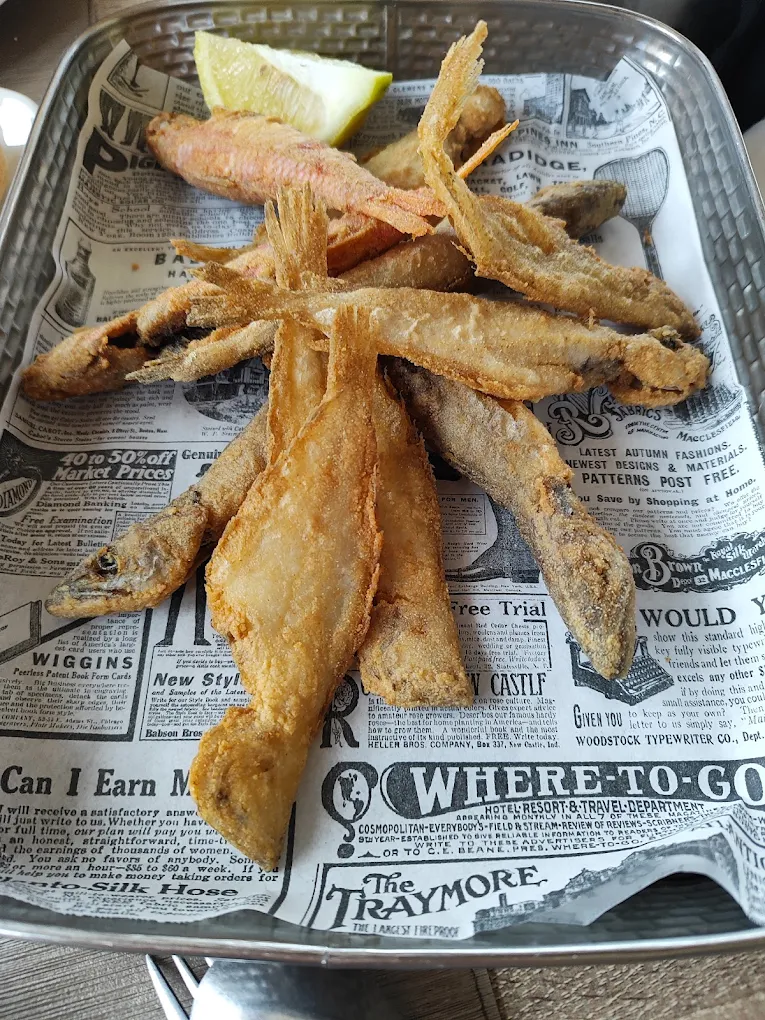
Assorted fried fish is a common dish to share during a meal, though it can also be served as a main course. Its combination of different types of fish allows you to sample various flavors in a single serving. To fully enjoy it, it’s a good idea to pay attention to the side dishes, the order in which the dishes are served, and a few details that can enhance the dining experience.
An Ideal Dish for the Center of the Table
Serving the fried seafood in the center of the table allows each guest to choose the pieces they like best. If you include whole fish, be sure to check their size and remove the bones as needed. Squid and baby squid, on the other hand, offer an alternative for those who prefer pieces without the bones typically found in fish.
When sharing among several people, it’s a good idea to pair it with other appetizers rather than ordering several fried dishes. This way, you’ll have a meal with a greater variety of ingredients and cooking techniques.
The Best Side Dishes for Fried Fish
Lemon is one of the traditional accompaniments, although it isn’t essential. A few drops add acidity and alter the perception of flavor, but adding too much juice can make the coating soggy and reduce its crisp texture. For this reason, it’s best to add it just before eating each piece.
Salads made with tomatoes, lettuce, onions, or cucumbers are a good choice to serve with fried foods. They add freshness and allow you to alternate bites of fish with raw vegetables. Grilled vegetables, such as zucchini, eggplant, or asparagus, can also be served.
French fries are another common side dish, although they increase the amount of fried food in the meal. If you’re looking for a different side dish, roasted potatoes or potatoes cooked with olive oil and herbs are equally good options.
How to Pair It with Other Mediterranean Dishes
If the fried dish is served as an appetizer, it can be followed by a vegetable dish, a full salad, or a light meal. When it serves as the main course, simply add a vegetable side dish to round out the meal without overcomplicating it.
It’s also important to consider when to serve it. The topping loses some of its crisp texture as it cools, especially if the pieces are piled on top of each other and trap steam. Ideally, it should be brought to the table right after it’s prepared and eaten without letting it sit for too long.
Fried Fish and Denia’s Culinary Tradition
Denia’s cuisine is closely tied to the Mediterranean and the fishing industry in its port. Fish, cephalopods, and shellfish feature in numerous local recipes, ranging from simple grilled dishes to seafood rice dishes and traditional stews. Although mixed fried fish is not unique to Denia, it fits within a culinary culture that places great importance on seafood.
Denia’s Seafaring Tradition
The fishing port has played an important role in the city’s history and cuisine. Its fish market is one of the main outlets for the local fleet’s catch, which includes various species of fish, crustaceans, and cephalopods.
Among the best-known products is the Denia red shrimp, prized for its flavor and typically served boiled or grilled. Other seafood such as octopus, cuttlefish, red mullet, and various rockfish are also common in the region’s cuisine. While these items are not necessarily part of a mixed fried seafood platter, they help illustrate the diversity of seafood ingredients that characterizes Denia’s cuisine.
Fish in Mediterranean Cuisine
Frying is one of the traditional methods used to prepare fish in various regions of the Mediterranean. In the Valencian Community, it is used alongside dishes such as fish rice, seafood stews, and grilled or baked fish.
An example of Denia’s traditional cuisine is arroz a banda, which has historical ties to fishing communities. The dish makes use of the flavor of a fish-based broth, which serves as the base for cooking the rice. Another signature dish is suquet de peix, a fish stew with potatoes that is also part of the culinary tradition of the Valencian coast.
The variety of these recipes shows that a single product can be used to create very different dishes, depending on the species and the technique used.
Enjoying the Cuisine by the Sea
Denia offers the chance to combine a day at the beach with a meal featuring Mediterranean specialties. Areas such as Les Marines and Les Rotes have restaurants where fish and rice dishes feature prominently on many menus. This is certainly the case at Restaurante Estanyó.
In addition, the city has been a member of UNESCO’s Creative Cities Network in the Gastronomy category since 2015, a recognition tied to its culinary heritage and its commitment to local cuisine.
All of this makes Denia a particularly appealing destination for those who want to discover Mediterranean cuisine and enjoy its traditional dishes during a stay by the sea.
Enjoy the Flavors of the Mediterranean at Estanyó Restaurant
Assorted fried fish is an excellent choice for those who enjoy Mediterranean flavors and want to savor a dish with a variety of textures. Its crispy exterior, the variety of fish, and the simplicity of its preparation make it a highly prized dish in seafood cuisine.
If you’d like to enjoy this specialty in Denia, we invite you to visit Restaurante Estanyó, a family-run restaurant that has been sharing its passion for Mediterranean cuisine since 1996. José and Mari run this restaurant, where you’ll find a menu featuring rice dishes, fideuà, tapas, and fresh seafood from the Denia Fish Market.
Among our menu items , you’ll also find the Assorted Fried Fish Platter, a perfect option to share while enjoying the views of the Mediterranean. We’re located right on the beachfront in Les Marines, at 6 Lago de Sanabria Street, near kilometer 6.5 on the Les Marines Highway.
Would you like to enjoy a delicious meal by the sea? Reserve your table online or call us at 966 474 242. Come discover our Mediterranean cuisine and enjoy a dining experience overlooking the Mediterranean.